 The Psychic Studio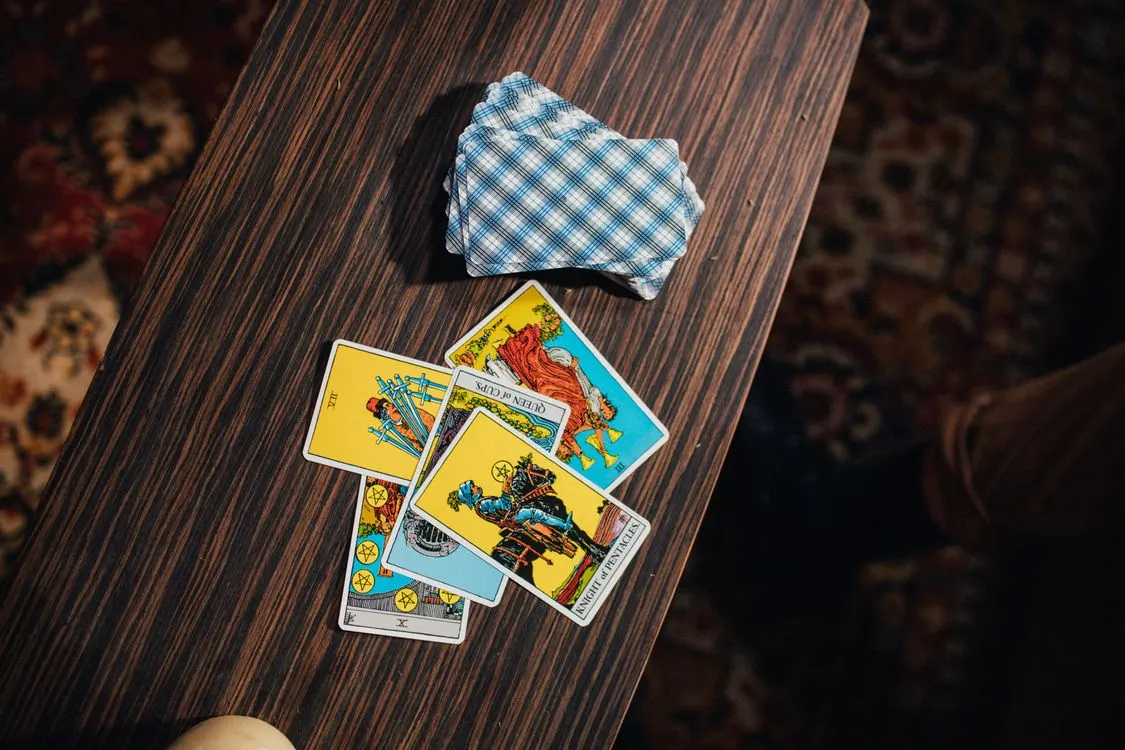
Yes no tarot is a way of using a card's symbolism to reflect on a question with two possible answers. Some readers assign cards to yes, no or maybe; others explore what would support or complicate a choice. Neither method can establish what will happen.
The most useful result is often a better question. A card may help you notice a hope, a concern or a missing piece of information. Keep the final decision with you, especially when it affects money, health or another person's boundaries.
What is yes no tarot?
A yes no tarot reading starts with a focused question and an agreed interpretation method. You might draw one card, record the themes it suggests and consider whether those themes feel supportive, cautionary or unresolved.
There is no universal yes-or-no list. Biddy Tarot describes several approaches, including preassigned card groups and conditional answers. The differences matter: two readers can interpret the same card differently without either having discovered a fact about the future.
Treat the practice as a structured pause. It is a way to look at a choice, not a substitute for checking the circumstances around it.
Choose a question you can actually use
Start with one decision rather than several bundled together. "Should I apply for this role?" gives you something to examine. "Will I get hired, earn more and love the job?" asks about several uncertain outcomes at once.
A stronger version keeps attention on your part of the decision: "What deserves attention before I apply?" That leaves room for a useful answer instead of forcing every symbol into yes or no.
For relationships, ask about communication or your next step. A reading cannot tell you that someone secretly wants contact. If a person has said no, a card does not change that answer.
A one-card yes no tarot method
Set a simple rule before drawing: read the card as support, caution or something that needs more thought. Then follow these steps:
Step 1: Write one question and the real choice behind it.
Step 2: Draw one card without searching for a preferred answer.
Step 3: Note the image, theme and first response it brings up.
Step 4: Write one reason the choice might work and one concern.
Step 5: Check those points against facts before choosing a next step.
You can use your own deck or the site's free tarot reflection. That page offers a Major Arcana draw, not a separate yes-or-no calculator. The card meanings library provides context when an image is unfamiliar.
Do upright cards mean yes and reversed cards mean no?
Some readers use that rule because it is easy to remember. It is a chosen convention, not an inherent property of the cards. A reversed card can also suggest a delay, an inward theme or a different angle on the same image.
Decide on your method first. Changing it after the draw because the answer feels uncomfortable makes the exercise less useful. If you do not read reversals, you do not need to add them just to answer a two-option question.
Allow "unclear" as a result. It can point to information you need to gather rather than another card you need to pull.
An example: asking about a new project
Imagine asking whether to start a creative project and drawing The Magician. You might reflect on the tools and skills you already have. That does not promise success; it suggests checking what is ready and what still needs practice.
Drawing The Hanged Man could invite a pause or another perspective. It need not mean abandoning the idea. A useful next step might be asking someone to review a small sample before investing more time.
Both readings lead back to actions you can test. Neither card replaces a budget, an agreement or a deadline.
When a different spread is more helpful
If yes no tarot leaves you tense or stuck, try two positions: what supports this choice, and what needs attention. A third can ask for one small next step.
Do not keep drawing until you receive permission for something you already want. Put the cards away, return to your notes and look for the question that remains unanswered in real life.
Questions about yes no tarot
Can yes no tarot guarantee an accurate answer?
No. These methods interpret symbols. They do not provide reliable evidence of another person's thoughts or a future event.
Is every difficult card a no?
No. A difficult image can prompt caution, planning or an honest conversation. Context and the method you chose affect the interpretation.
How often should I repeat the same question?
There is no required schedule. Give yourself time to act on the first reflection or gather new information instead of checking repeatedly for reassurance.
Tarot here is for entertainment and personal reflection, not medical, legal or financial advice.
Sources and photo credits
Background reading: Biddy Tarot's guide to yes-or-no methods and its discussion of asking yes-or-no questions. These are interpretive practices, not evidence of predicted events.
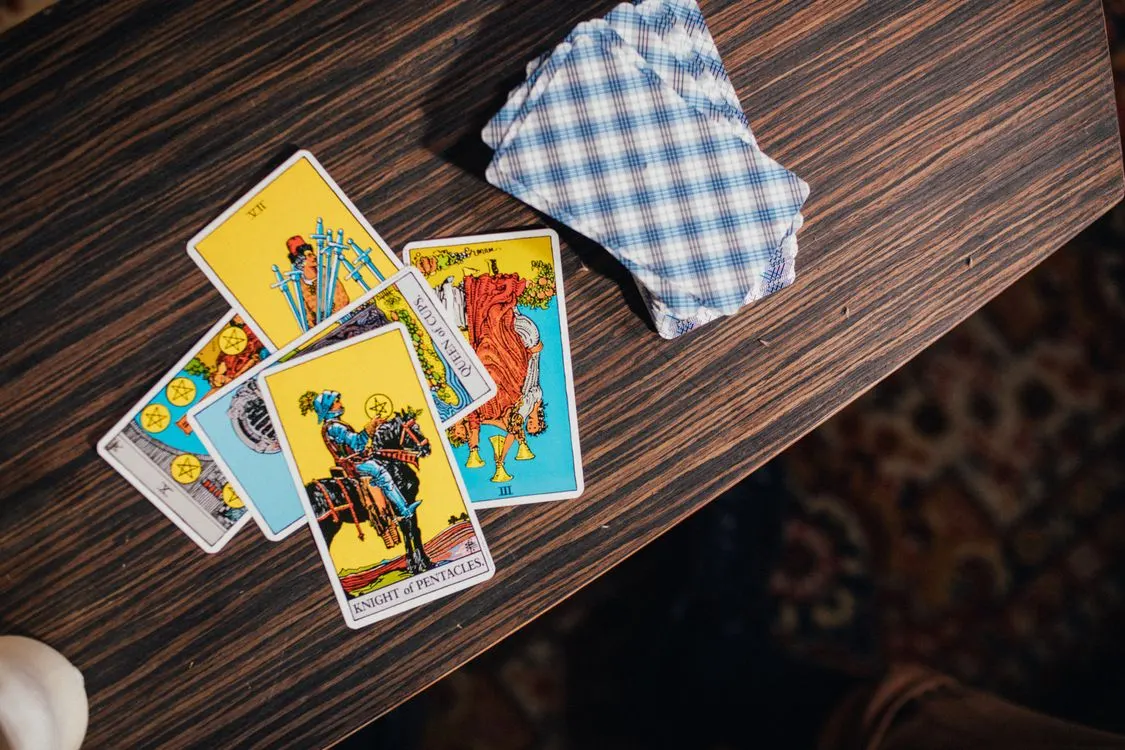
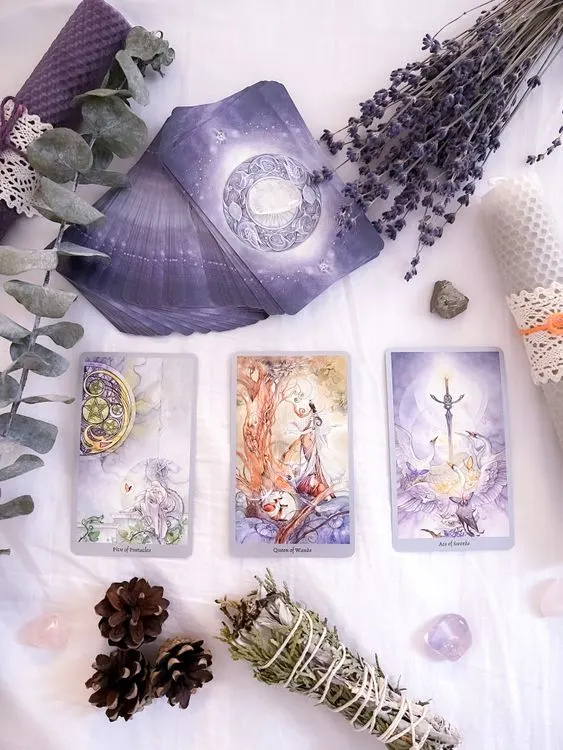
Pexels photos: tarot cards on a wooden table, a closer view of the cards and cards with lavender. Used under the Pexels License. Photographers and depicted objects do not imply endorsement.